
The "Return-Proof" Store: How Fit & Compatibility Quizzes Cut Return Rates by 30%
- Feb 3
- 5 min read

E-commerce returns have transformed from a minor hassle into a profit-destroying machine. What used to be an accepted part of online retail now costs businesses serious money through shipping fees, restocking costs, and wasted inventory. The real problem? Most retailers still treat returns as unavoidable rather than preventable.
Smart brands are flipping the script. Instead of perfecting their return process, they're stopping returns before they happen. Interactive quizzes that match customers with the right products help brands reduce return rates eCommerce by up to 30%. This shift from reactive to proactive saves money and keeps customers happier.
Why "Try Before You Buy" Is Bleeding Your Business Dry
Reverse logistics costs retailers an average of 66% of an item's sale price when accounting for shipping, inspection, and repackaging. That $100 sweater someone returns? It just cost the business $66 in direct expenses. Multiply that across thousands of orders, and those "free returns" become anything but free.
The bracket shopping trend makes this worse. Customers now routinely order three sizes of the same item, fully planning to return two. While this seems convenient for shoppers, it creates a logistics nightmare and profit drain for retailers. To combat this, many brands now look for ways to reduce return rate across their entire catalog. Some serial returners actually cost businesses more than they generate in profit.
Static Size Charts Don't Cut It Anymore
Clothing returns hover around 30-40% across the industry, despite every site having detailed size charts. The issue? A medium from one brand fits nothing like a medium from another. Fabric stretch, cut styles, and personal preferences make sizing a guessing game that customers lose—and retailers pay for.
Shoppers have learned they can't trust measurements alone. They've adapted by ordering multiple sizes as insurance against the sizing lottery. The brand absorbs the cost, but the root cause is the lack of personalized guidance that physical stores naturally provide. Implementing a strategy to eCommerce reduce returns through better sizing tech is now a necessity rather than an option.
What Makes Quizzes Actually Work
Before diving into specific examples, understanding the psychology behind quiz success helps explain why this approach works better than traditional product pages.

Digital Sales Associates That Never Clock Out
Physical stores always had one advantage: knowledgeable staff who ask the right questions. "What will you use this for? Do you run hot or cold? What's your typical style?" These conversations naturally filter out bad matches before checkout.
Product quizzes replicate this experience digitally. The technology asks strategic questions and delivers consistent, data-backed recommendations every time. Unlike human staff with varying expertise, a well-built quiz gives every customer the same high-quality guidance at any hour of the day.
Confidence Kills Return Rates
Purchase anxiety drives returns more than most brands realize. A quiz result page that explains why a product was chosen ("This jacket matches your cold-climate needs and preferred athletic fit") changes the mental equation. Shoppers shift from "I hope this works" to "This was selected for me." That psychological difference is key for those wondering how to reduce return rate metrics effectively.
When Sending Products Back Isn't Even Possible
In some industries, returns are more than just expensive—they're nearly impossible. My Pet Chicken's breed selector is a perfect example. You can't exactly "return ship" a live animal. Their quiz assesses chicken type, size, temperament, how often and what kind of eggs it will lay; all to prevent mismatches before they happen.

In the lingerie industry, the stakes are different but the logic is the same — an ill-fitting bra is almost always a returned bra. Nudea's Fit Finder Quiz guides customers through questions about their current size, fit issues, and support preferences to pinpoint the right style before checkout.

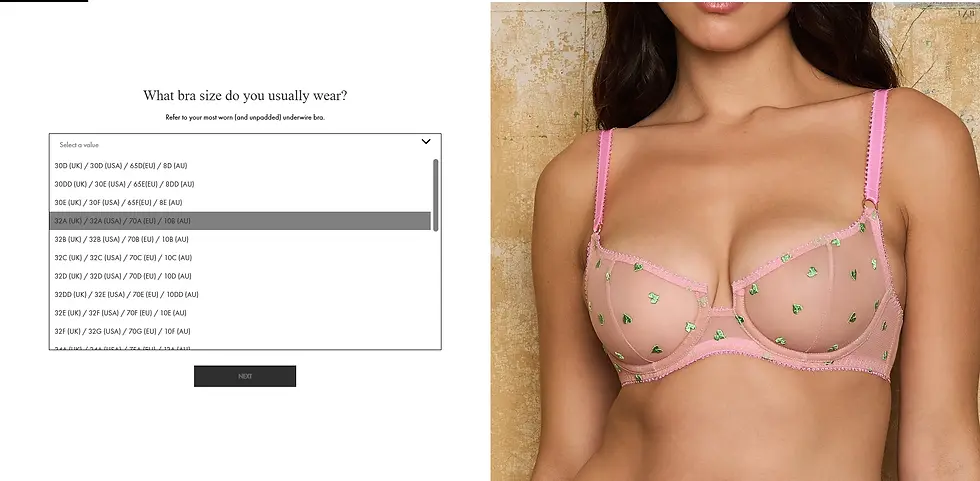
Dora Larsen takes the same approach with their Bra Fit Quiz, matching shoppers to the right style from their colourful lingerie collection by factoring in size, shape, and personal preferences — turning a high-return category into a confident, guided purchase.
Setting Up Quizzes Without a Developer
Shopify's ecosystem has made sophisticated quiz functionality accessible to everyone. Tools like Visual Quiz Builder offer drag-and-drop interfaces that create complex recommendation logic without coding.
These platforms allow brands to reduce return rates eCommerce by integrating directly with product catalogs, meaning recommendations automatically link to actual inventory. The visual interface shows the entire quiz flow, making it easy to spot gaps or improve the recommendation logic as customer data rolls in.
The real bonus? Zero-party data collection. Quiz responses reveal explicit customer preferences they're happy to share in exchange for better recommendations. This information powers:
Hyper-targeted email campaigns.
Audience segmentation for smarter ads.
Product development informed by what customers say they want.
Building Quizzes That Actually Prevent Returns
Not everything needs a quiz. Start by identifying which products get returned most often. Is it a specific fit issue? A technical spec mismatch?
For high-consideration items, like specialized equipment or premium beauty products, a product recommendation quiz acts as a final safety check.
Balance Depth With Completion Rates
The sweet spot typically hits 5-7 questions. Start with engaging, easy questions to build momentum. Product quiz questions should feel like a conversation, not an interrogation. Visual elements and progress bars are essential to keep users from abandoning the process.
Smart Recommendations Beat Simple Filtering
Weak quizzes just filter by basic criteria. Strong quizzes use weighted scoring where certain factors matter more than others. Climate suitability might trump color preferences because one affects survival while the other is purely aesthetic.
Explaining the recommendation logic builds trust. "We suggest these breeds because they thrive in your climate, meet your noise restrictions, and produce the egg quantity you want." This transparency educates customers about factors they might have overlooked, reducing future returns through better understanding.
The Bottom Line on Return Prevention
The infrastructure built around processing returns exists only because products don't match customer needs. Redirecting those resources toward prevention changes the entire financial equation of an e-commerce store.
Visual Quiz Builder helps brands create "return-proof" stores by ensuring every customer finds their perfect match. To ensure your strategy is working, you can track quiz marketing success and correlate quiz usage with lower return rates in your Shopify analytics.
The real question isn't whether quizzes work to reduce return rates eCommerce—it's why any business with high return rates would operate without one.
Frequently Asked Questions
How much can a quiz actually reduce my return rate?
While results vary by industry, stores implementing fit-focused quizzes typically see a 20% to 35% reduction in returns by eliminating sizing and compatibility errors.
Is a product quiz difficult to set up on Shopify?
Not with the right tools. Using an app like Visual Quiz Builder allows you to drag and drop elements, link products, and publish to your store in hours rather than weeks.
Will a quiz slow down my site's conversion rate?
Actually, the opposite is usually true. By guiding the user to the correct product, you reduce "choice paralysis," which often leads to higher conversion rates and larger average order values.
Can I use quiz data for my marketing?
Yes. The "zero-party data" (information customers voluntarily share) is incredibly valuable for personalized email marketing and creating targeted ad lookalike audiences.


