
The Impact of Quizzes on a Consumer’s Decision-Making Process

Shopping online has become increasingly complicated. Despite having access to thousands of products, most visitors leave websites without buying anything. The consumer decision-making process—once straightforward—now involves endless scrolling, comparing options, and second-guessing choices.
Interactive quizzes offer a practical solution. They guide shoppers through personalized questions, narrow down choices, and recommend products that actually match individual needs. Think of them as the digital version of a helpful store assistant who asks the right questions and points customers in the right direction.
Why Traditional Online Shopping Falls Short
The standard consumer decision making process includes five stages: recognizing a need, searching for information, evaluating options, making a purchase, and post-purchase reflection. Online shopping complicates every single stage.
Too Many Choices, Too Little Guidance
Modern shoppers face what researchers call "choice paralysis." The average cart abandonment rate across e-commerce businesses sits at around 76%, meaning roughly seven out of ten visitors leave without purchasing. Product catalogs containing thousands of items create overwhelming decisions rather than a helpful variety.
High extra costs surprise 48% of shoppers at checkout, but the problem runs deeper than pricing. Customers struggle to determine which specific product actually matches their situation. Should someone with combination skin choose the same serum as someone with sensitive skin? Which supplement addresses a specific combination of health concerns? Standard product pages don't answer these personalized questions.
Where Traditional E-Commerce Fails Shoppers
The decision making process of consumer purchases gets stuck at the evaluation stage. Comparing dozens of similar products requires mental effort that exhausts shoppers. Without guidance, many simply give up and leave—even when they genuinely need the product category being sold.
How Quizzes Guide Better Purchase Decisions
Quizzes transform passive browsing into an active conversation. Instead of expecting customers to already know what they need, quizzes ask strategic questions that clarify requirements and narrow options.
Turning Confusion Into Clarity
A skincare quiz might ask about:
Current skin concerns
Daily routine habits
Sensitivity issues
Specific goals
These questions educate while gathering information. Customers often discover factors they hadn't considered, making the consumer decision-making process more thorough yet simpler.
Cutting Through Product Overload
Quizzes filter hundreds of options down to 3-5 targeted recommendations. This curation addresses decision fatigue directly—customers evaluate a handful of curated choices instead of scrolling endlessly. The transparency builds trust; shoppers understand recommendations reflect their stated needs rather than random algorithms.
Building Confidence at Checkout
Personalized recommendations reduce purchase hesitation significantly. When products are selected specifically for individual situations, confidence increases. The quiz serves as decision support, essentially confirming "based on your answers, this matches your needs." This guidance helps overcome the uncertainty that typically delays purchases.

What Makes Quiz-Driven Shopping Work
Several psychological principles explain why quizzes improve the consumer decision making process more effectively than traditional browsing.
People Crave Personal Attention
Customized experiences automatically feel more valuable. Quizzes signal that brands understand customers as individuals with unique needs rather than anonymous transaction sources. Questions about specific situations, preferences, and goals create this personalized feeling without requiring complex technology or invasive data collection.
Investment Creates Commitment
Spending time completing a quiz creates psychological momentum toward purchase. People seek consistency between their actions and decisions—abandoning a quiz after completion feels like wasted effort. This commitment principle works subtly but powerfully to encourage follow-through.
Simplification Reduces Mental Strain
Every decision consumes mental energy. Traditional e-commerce demands extensive cognitive effort—remembering specifications, tracking comparisons, weighing tradeoffs. Quizzes handle the analytical work, asking simple questions anyone can answer about their own situation. This division of labor prevents decision exhaustion.
Expert Positioning Builds Trust
Well-designed quizzes function as specialist knowledge systems. A supplement quiz asking detailed health questions signals genuine expertise. This perceived competence transfers to brand credibility, increasing confidence in recommendations—particularly valuable for complex or unfamiliar products.
Shopify Quizzes Drive E-Commerce Success
Shopify merchants have embraced quiz solutions as conversion-boosting tools. The platform's app ecosystem makes implementation straightforward while delivering measurable results.
Product quiz apps with conditional logic, customization options, and marketing integration enable sophisticated personalization. Businesses collect valuable preference data beyond immediate sales, building email lists with engaged subscribers who've demonstrated clear interest.
Real Results From Visual Quiz Builder
Mario Badescu uses a skincare analysis quiz guiding customers toward appropriate products with free sample offers. Results: 49,295 quiz takers over twelve months, 86% completion rate, and 775% ROI.

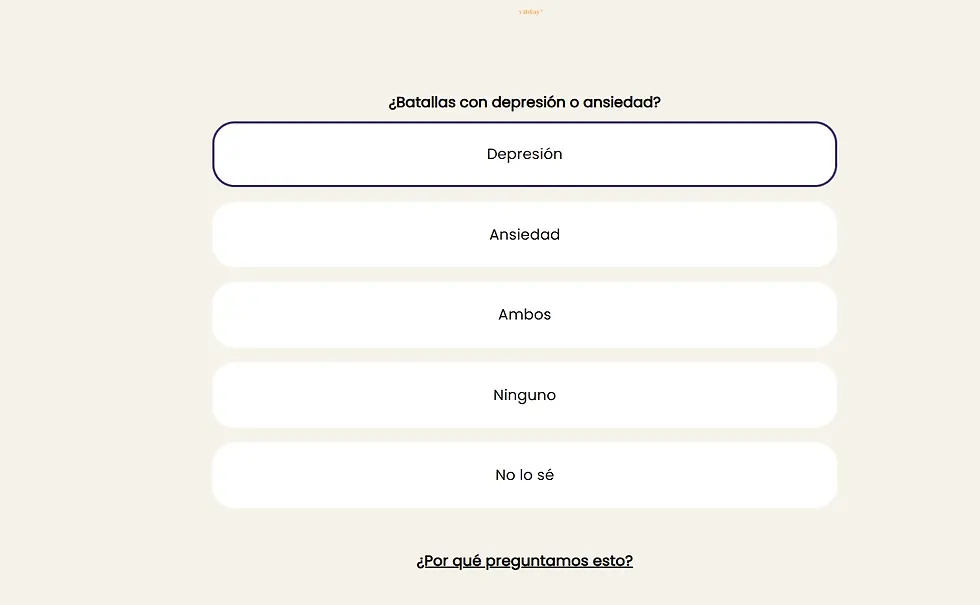
Vitday helps customers identify supplements for their health goals and lifestyle through personalized quizzes. Results: 503,394 quiz takers, 88% completion rate, 360,279 email profiles collected, and 2.5x quiz conversion versus store average.
Dogelthy offers vet-approved dog supplement recommendations through quick quizzes. Results: 51,835 quiz takers last year, 87% completion rate, 14.1% conversion rate, and 39,952 email profiles collected.

Benefits Beyond Better Sales
Shoppers Enjoy the Experience
Interactive formats feel engaging rather than tedious. Answering questions about personal preferences beats scrolling through product grids. The consumer decision making process becomes less overwhelming when guidance is available—customers relax knowing they won't miss perfect products buried in vast catalogs.
Data Enables Smarter Strategy
Quiz responses reveal which product attributes matter most to different segments, which concerns arise frequently, and which need combinations represent opportunities. This intelligence informs product development, inventory decisions, and marketing campaigns based on actual customer data rather than assumptions.
Support Teams Handle Fewer Questions
When customers receive appropriate recommendations upfront, fewer inquiries ask "which product fits me?" Support resources focus on complex issues rather than basic selection guidance, improving both efficiency and satisfaction.
For businesses seeking better e-commerce performance, implementing well-designed quizzes addresses conversion problems directly. Visual Quiz Builder offers proven tools that transform browsers into buyers through intelligent, engaging personalization.
Frequently Asked Questions
How do product recommendation quizzes improve conversion rates?
Quizzes provide personalized guidance, reducing decision paralysis while building purchase confidence. Customers receiving tailored recommendations based on specific needs feel more certain about choices. The interactive format also creates psychological investment—people completing quizzes are more likely to purchase, maintaining consistency with their engagement.
What type of data can businesses collect from quizzes?
Beyond contact information for marketing, quizzes gather detailed preference data about customer priorities, concerns, usage contexts, and decision factors. This enables audience segmentation, personalized campaigns, and product development insights. Aggregate data reveals patterns in needs and underserved market segments informing broader strategy.
How long should a product recommendation quiz be?
Optimal length balances thoroughness with engagement—typically 3-8 questions depending on product complexity. Simpler products work with shorter quizzes, while complex categories benefit from additional questions. Completion rate data provides guidance; successful quizzes maintain rates above 80% by respecting customer time while gathering sufficient information.
How do quizzes impact customer loyalty and repeat purchases?
Quizzes build loyalty through positive experiences, ensuring customers receive appropriate products, reducing returns and regret. Personalized attention creates emotional brand connection. Quiz data enables ongoing personalization—businesses send targeted recommendations aligning with stated preferences, maintaining relevance long after initial purchase. When customers trust brands that provide helpful guidance consistently, they return rather than restarting the consumer decision making process with competitors.


